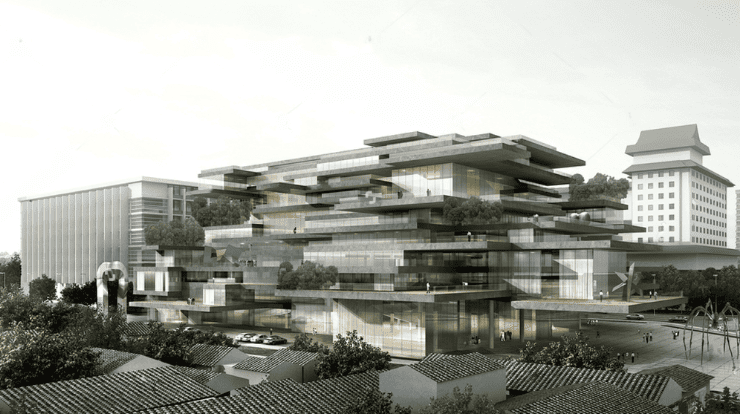
In Dubai’s commercial real estate sector, precision and clarity are key. Developers use many tools to convey complex project ideas. Among them, laser-cut architectural scale models stand out. These models are not just used to show buildings.
They also help present infrastructure elements. Roads, utilities, transit access, green spaces, and pedestrian routes are all crucial. This article explains how developers use laser-cut architectural scale models Dubai to present these infrastructure features for commercial buildings.
1.Role of Infrastructure in Commercial Developments
Infrastructure is the backbone of any commercial project. It includes roads, entry points, utility systems, parking, landscaping, and public transport access.
In Dubai, where commercial spaces are built to global standards, infrastructure must support high footfall, traffic flow, and sustainability goals. A laser-cut model helps developers show how all these pieces connect to the main structure.
2.Planning Infrastructure in the Early Model Stages
Infrastructure elements are included from the early planning stages. Developers work with architects and engineers to ensure every part of the site is represented.
This includes the surrounding road networks, underground systems, and landscape layouts. These plans are converted into detailed CAD drawings. Laser-cutting machines then bring these drawings to life with high accuracy.
3.Representing Road Networks and Access Points
One of the most visible infrastructure features is the road layout. Roads are shown using different materials and textures. Smooth acrylic or engraved foam board can represent highways or internal driveways. Lane markings, intersections, and roundabouts are added using printed overlays or fine paintwork. Drop-off zones, parking entrances, and loading bays are clearly marked.
Laser cutting allows precise creation of curves, lanes, and access points. These details help stakeholders understand how vehicles will approach and move around the commercial property. In Dubai, where traffic management is critical, such visual aids support city planning approvals and investor confidence.
4.Parking Structures and Vehicle Circulation
Parking is a major part of commercial building design. In models, developers present both underground and above-ground parking. Clear acrylic levels, removable roof sections, or cutaways are used to show interior circulation. Ramps, parking slots, and lift zones are included. Some models even integrate moving parts or LED lights to represent traffic flow.
Developers in Dubai often use these models in presentations to show that their project meets parking requirements. This is particularly important for retail malls, office towers, and mixed-use buildings.
5.Utility Pathways and Service Areas
Utility infrastructure is harder to see but very important. This includes power supply routes, drainage systems, ventilation ducts, and water supply. In scale models, these are usually represented using color-coded pipes or channels. Clear or colored tubing, embedded into the model’s base, helps identify each service route.
In some models, developers include removable layers. This allows viewers to lift parts of the model and see how services are routed. It helps explain the design to engineers, government officials, and utility companies.
6.Green Spaces and Landscape Integration
Dubai’s commercial zones increasingly focus on green infrastructure. This includes planted areas, shaded walkways, green roofs, and sustainability features like rain gardens. Laser-cut scale models present these features using textured materials, miniature plants, and engraved surfaces.
Grassy areas are shown using green flocking or felt. Trees and shrubs are made from painted foam or plastic. Water features are created using clear resin and reflective film. These elements show how the development aligns with Dubai’s sustainability goals.
7.Pedestrian Movement and Public Zones
Pedestrian pathways are essential in commercial developments. Laser-cut models display footpaths, entry plazas, escalators, and access bridges. These are made using etched acrylic or engraved surfaces. Directional signs and human-scale figures are sometimes added to show scale and usage patterns.
These features help developers present how people will interact with the space. It also helps in reviewing the flow of pedestrian traffic, especially for high-density locations like shopping centers or transit hubs.
8.Transport Connectivity and Transit Access
Commercial buildings in Dubai often connect to metro lines, bus stops, or water taxis. Developers show this in models by including nearby metro stations, pedestrian bridges, and bus terminals. These are marked using miniature icons or labeled cutouts.
Connectivity is a major selling point. By showing transit options clearly, developers attract tenants looking for well-linked office or retail space. It also supports project approval, as authorities value developments with strong public transport access.
9.Layered Models and Cross-Section Views
Some laser-cut architectural models use layers or cutaways to show multiple infrastructure levels. This is useful for complex projects with underground parking, retail basements, or multi-level podiums. Layers can be removed or lifted to reveal infrastructure below ground.
These models are designed with magnets or hinges to allow movement. They offer a detailed look into the inner workings of the building. This helps engineers and contractors understand the relationship between structural and service elements.
10.Lighting and Interactive Features
Lighting plays a key role in highlighting infrastructure zones. LED lights can trace road paths, outline parking entrances, or show active utility areas. In some advanced models, touch-sensitive lighting or remote controls are used. Viewers can activate different zones to focus on specific infrastructure features.
This interactive approach improves engagement. It allows non-technical stakeholders to explore complex infrastructure systems with ease.
11.Why Dubai Developers Rely on This Approach
Dubai’s real estate market is competitive and fast-paced. Presentations need to be clear, detailed, and visually compelling. Laser-cut scale models meet these demands. They combine accuracy with storytelling. Infrastructure, when shown effectively, builds confidence in the project.
Investors, planners, and clients all benefit from seeing how a project functions at the ground level. In Dubai, this clarity supports faster approvals, better sales conversations, and stronger brand identity for developers.
Conclusion
Developers in Dubai present infrastructure elements through laser-cut architectural scale models with great precision. Roads, utilities, parking, landscape, and transport links are all included. These features are crafted using advanced laser-cutting, engraving, and layering techniques.
They help stakeholders understand how the commercial building works in context. This level of detail adds value to every presentation. It ensures that infrastructure is not just discussed but clearly seen and understood.