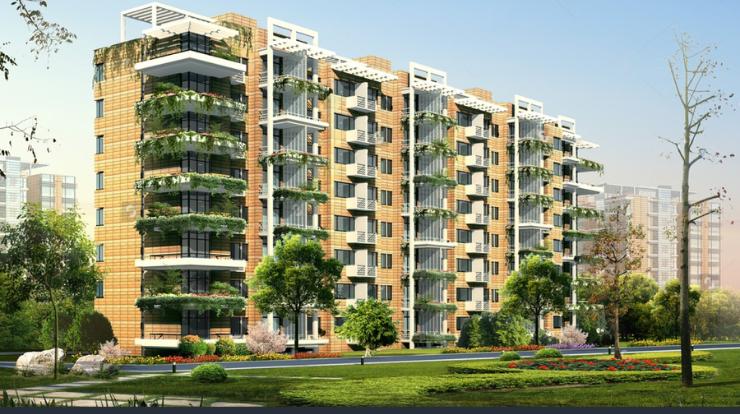
Laser-cut architectural scale models in Dubai are known for their precision and visual appeal. These models are not just artistic representations. They are technical tools used by architects, developers, and investors.
One of the key factors that make them valuable is their dimensional accuracy. In commercial building projects, accuracy is critical. It helps translate the design from concept to reality. This article explores how accurate the dimensions are in laser-cut architectural scale models Dubai for commercial buildings and what contributes to that precision.
Precision of Laser-Cutting Technology
Laser cutting offers high precision. It uses a focused laser beam to cut materials with fine detail. This technology allows the creation of parts that are accurate to fractions of a millimeter.
When applied to architectural scale models, this ensures that walls, windows, doors, and structural features are built to exact proportions. The process reduces human error and provides uniformity across all parts of the model.
Scaling and Measurement Standards
Architectural models are created based on a fixed scale. In Dubai, common scales for commercial buildings include 1:100, 1:200, or 1:500 depending on the size and purpose. Laser-cut machines follow these scale ratios precisely.
If a wall in the real building is 10 meters, the model version at 1:100 will be exactly 10 centimeters. This strict adherence to scale makes the model a reliable tool for measurement and spatial understanding.
Digital-to-Physical Accuracy
Most laser-cut models are based on digital CAD drawings or BIM models. These digital files carry exact measurements and design details. Laser-cutting machines read these files directly, avoiding the inaccuracies of manual interpretation. This direct connection between digital design and physical output is what makes laser-cut architectural scale models Dubai highly accurate for commercial buildings.
Consistency Across Components
Another advantage of laser cutting is consistency. Every piece is cut with the same level of precision. This is essential for commercial projects where repetitive elements like windows, columns, or façade patterns are common. The model reflects this repetition accurately. Consistency also ensures that all components fit together perfectly, which supports structural realism.
Material Behavior and Tolerance
While laser cutting is precise, the material used can affect final accuracy. Common materials for scale models include acrylic, wood, and cardboard.
Each material has its tolerance levels. For example, wood may expand slightly in humidity, and thin plastic may bend if not handled properly. Expert model makers in Dubai consider these behaviors. They adjust designs and cutting parameters to compensate, keeping the final model within acceptable tolerance limits.
Level of Detail in Different Scales
The smaller the scale, the more challenging it becomes to maintain tiny details. At larger scales like 1:500, it may not be practical to include every window frame or railing. However, the overall proportions remain correct. Accuracy at a macro level is still preserved.
At more detailed scales like 1:100, finer elements are possible. These models can include staircases, furniture, and façade textures. Model makers choose the scale based on the need for detail and the purpose of the presentation.
Verification and Quality Control
In Dubai, top architectural model makers follow strict quality control processes. After cutting, components are checked against the digital drawings. Measurements are verified manually using precision tools. Any deviations are corrected before final assembly. This verification process ensures that the final scale model accurately reflects the design.
Accuracy in Site Context and Urban Planning
Many commercial building models in Dubai include surrounding elements like roads, landscaping, and neighboring buildings. The accuracy of these site components is just as important.
Laser-cut technology allows planners to represent context areas with the same precision. This helps stakeholders evaluate access points, pedestrian flow, and urban integration.
Uses That Demand Dimensional Accuracy
Laser-cut architectural models are used in investor pitches, government approvals, construction planning, and public exhibitions. Each of these applications requires trust in the dimensions. In particular, developers and engineers use these models to visualize space usage, height relationships, and access points. Accurate models reduce confusion and support better decision-making throughout the development process.
Limitations and Adjustments
Despite their precision, scale models are still representations. Some details may be simplified for practicality. For example, very thin structural elements may be thickened slightly to avoid breakage. Decorative details might be omitted if they do not impact the understanding of the structure.
These adjustments are always done with care to preserve scale integrity. Skilled model makers inform clients about any such changes during the design phase.
Real-World Implications of Dimensional Accuracy
Accurate scale models can help prevent costly mistakes. If a spatial issue is identified in the model, it can be corrected in the design before construction begins. This saves time and money. In Dubai, where commercial projects involve large budgets and complex architecture, this advantage is highly valuable.
Client Expectations in Dubai’s Market
Dubai’s commercial real estate market is competitive and design-focused. Clients expect quality at every stage. This includes precision in architectural models. As a result, model-making firms in Dubai invest in advanced laser equipment and skilled technicians. The accuracy of the scale model reflects the professionalism of the entire project team.
Conclusion
Laser-cut architectural scale models Dubai for commercial buildings are highly accurate. They are built using advanced technology, detailed digital files, and strict quality control. This accuracy makes them useful tools for planning, approval, and investment.
While minor adjustments may be made due to material limitations, overall scale and proportion are maintained. In a city where architectural innovation is the norm, precision in every element—including scale models—is essential. These models not only bring designs to life but do so with a level of detail and accuracy that supports confident decision-making.